Warming the Bench
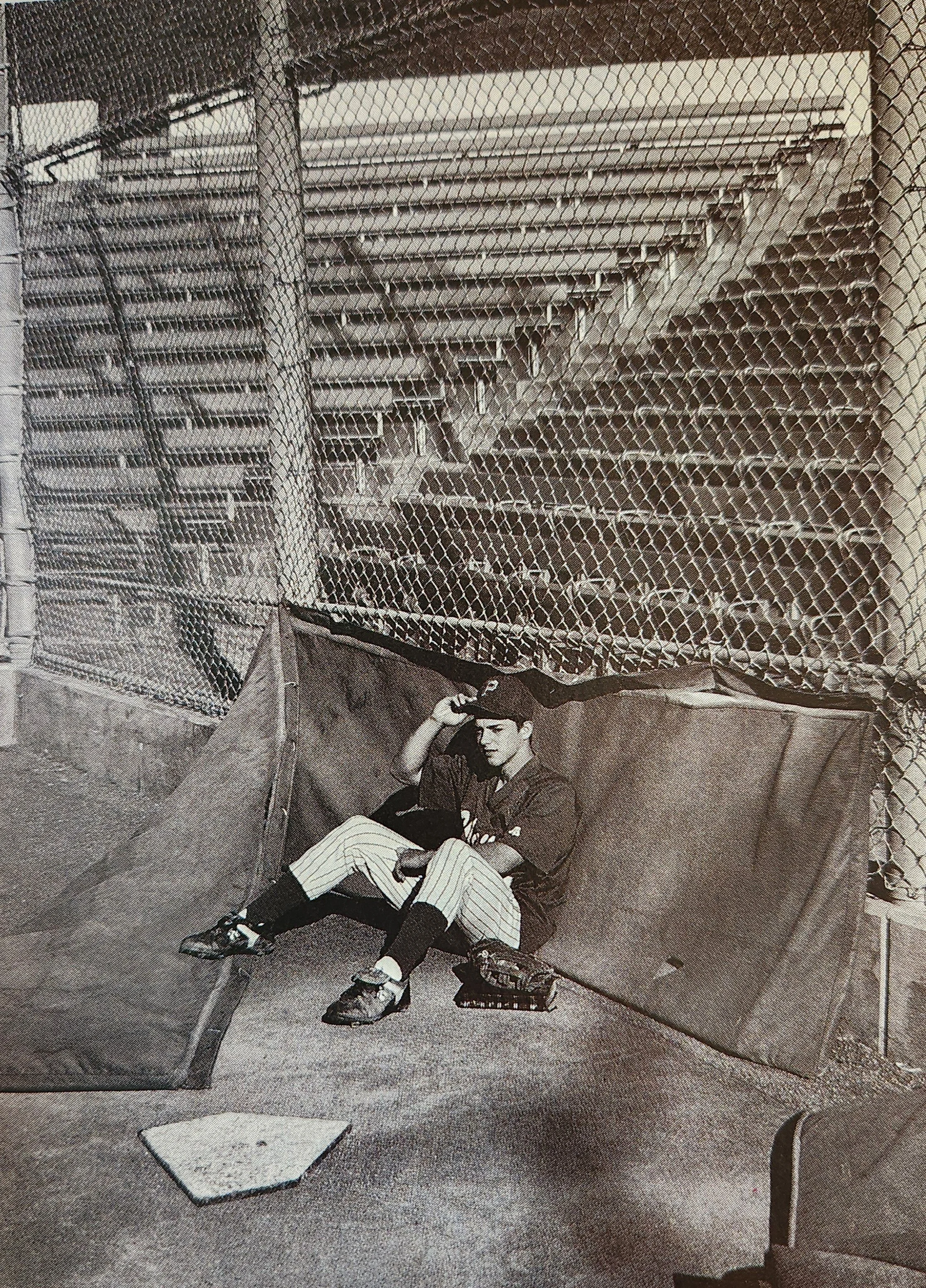
No athlete wants to be called a “benchwarmer.” It means he’s not in the game because others have been chosen above him. It means he misses the action, the fun, and the cheers. He’s useless—the bench needs to be warmed about as much as his uniform needs to be washed between games.
This was my story for most of my college baseball career. I was kept on the roster for some reason, but after a couple years, I was beginning to forget why. My coach gave me an occasional inning in right field or an opportunity to pinch run late in a game, but those were teasers, leaving me even more disappointed when my name was written on the lineup card as a “Substitute.”
But I’d be lying if I said those weren’t some of the most valuable years of my life.
Here is just a snippet of what happened during those formative “bench” years:
I learned to decode the opposing team’s signs and predict which pitch would be thrown next. I could write a much longer article about how to do this, but that’s for a different audience. The point—the real life lesson—is I became an astute observer, learning to see things others couldn’t see.
I learned to “chart.” Again, another long article needed, but this just means I was writing reports during the game that would be used to help make the team better in future games. This skill has helped me in school, at work, and in my personal life. With technology, note-taking is quickly becoming a lost art, but I am grateful I still have this tool in my toolbox.
I learned to encourage my teammates. Our coach required bench players’ throats to be sore from yelling for nine innings. I consider encouragement my primary spiritual gift, and that gift was developed during my years spent in the dugout instead of the field.
By far, the best thing that ever happened to me while I was a benchwarmer was getting to know my future wife. Most people don’t know that there is a place lower than the bench for a ballplayer. It’s the dungeon, the hades, of the ballpark—the bleachers. The coach would send a few players, who have absolutely no chance of getting into the game, into the bleachers to chart or work the radar gun. I was condemned to this duty many times, but Sara and I got to sit together. I taught her about baseball, and she fell in love with me. (That’s my version of the story. You’ll have to ask her for hers.)
Overall, I learned humility. Having to explain my .000 batting average to friends and family taught me to laugh at myself and to find joy in being a “loser” and a “reject.” I learned to find joy in failure and defeat. I learned to be more like Christ.
In 1959, Frederick Buechner preached a sermon called “The Magnificent Defeat” about Jacob getting beaten up by God. Jacob limped the rest of his life as a testimony to God’s mercy in his life. It reminded Jacob, and everyone around him, that his status as a loser meant God was powerful in his life.
Jesus was also beaten up. He limped up the hill to Calvary, carrying his cross to face even more shame and defeat. The ultimate “benchwarmer,” Christ resolutely faced his rejection and “loser” status so that we all could be saved.
Paul wrote in Philippians 2:5-8:
Adopt the same attitude as that of Christ Jesus,
who, existing in the form of God,
did not consider equality with God
as something to be exploited.
Instead he emptied himself
by assuming the form of a servant,
taking on the likeness of humanity.
And when he had come as a man,
he humbled himself by becoming obedient
to the point of death—
even to death on a cross.
After college, I had some success on the baseball field and in life, but I think back to my dugout days often. I’m thankful for my years as a benchwarmer and how they taught me many important life lessons, especially how to live more like Christ.